When kids spend more time at home during summer break, everyday household safety becomes even more important.
From kitchen burns and cleaning supplies to firearm storage, small prevention steps can help reduce the risk of injuries and keep children safer.
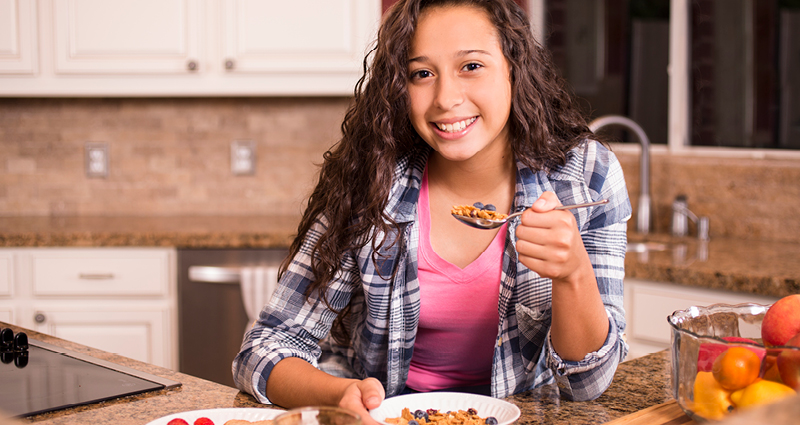
Kitchen Safety
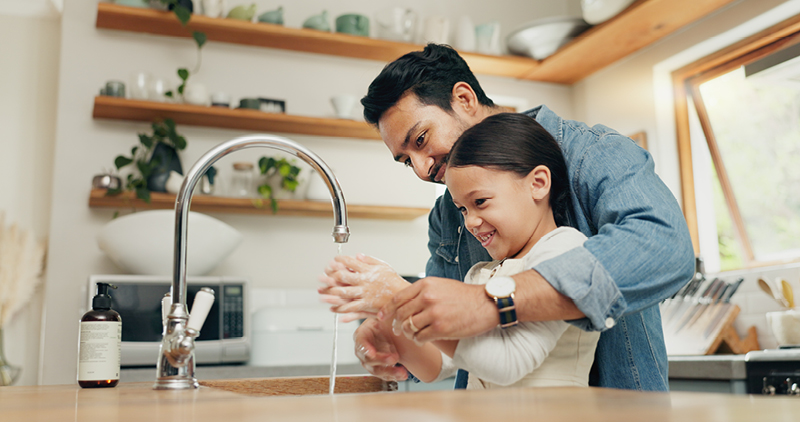
Microwaves, stovetops and hot foods can cause serious burns, especially for younger children. Keep hot foods and drinks away from the edges of counters and teach kids to ask an adult for help before using kitchen appliances.
Store Cleaning Supplies Safely
Cleaning products, medications and laundry pods should always be stored out of reach and locked away when possible. Never transfer chemicals into food or drink containers, which can confuse young children.
Water Safety Matters
Even small amounts of water can pose a danger to young children. Always supervise children around pools, bathtubs and splash pads, and consider swim lessons as children grow.
Firearm Storage
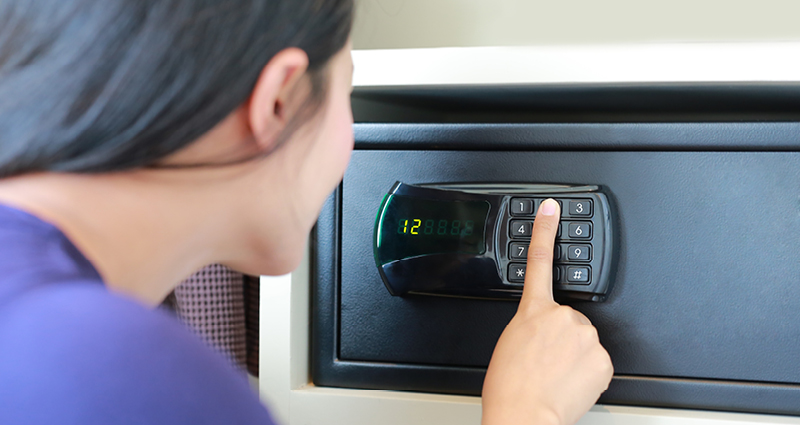
If you choose to keep firearms in your home, store them unloaded, locked and separate from ammunition. Safe storage can help reduce the risk of accidental injuries and unauthorized access.
Locked storage boxes are often safer than basic trigger locks because they provide stronger protection and keep firearms out of sight and out of reach.
Some communities offer free or reduced-cost gun locks and storage devices through local trauma centers, health departments, fire departments or law enforcement agencies.
Communicate with Kids
Children are naturally curious, including about guns. Having calm, age-appropriate conversations about guns can help reinforce safety.
Even if your family does not keep firearms in your home, it’s important to talk with kids about what to do if they encounter one. Teach kids to never touch a gun and immediately tell a trusted adult if they find one.
Parents can also help children understand the difference between firearms in movies or video games and the real-life consequences of gun injuries.
Ask About Safety Before Playdates
Asking another parent about household safety can feel uncomfortable at first, but it’s an important part of protecting children. Questions about supervision, pets, pools or firearms can help parents make informed decisions before playdates.
Questions like “Are any firearms in the home stored locked and unloaded?” can help normalize conversations around safety.
If firearms are not stored safely, consider hosting the playdate at your home instead.
The Trauma Center Association of America provides more resources about firearm safety and talking with other parents about safe storage.
Project ChildSafe has produced videos and other resources to help with conversations with kids at any age.