Lung cancer remains the leading cause of cancer-related deaths in the United States, and one of its greatest challenges is that it often develops without noticeable symptoms. By the time warning signs appear, the disease may already be advanced.
At FMOL Health | Our Lady of the Lake Cancer Institute, advanced screening technology and coordinated care are helping physicians identify potential lung cancers and connect patients with timely treatment.
Abdulla Majid-Moosa, DO, a pulmonologist at Our Lady of the Lake, recently joined Medical Monday on Talk 107.3 to discuss lung cancer detection and a specialized program helping patients across Baton Rouge.
Why Lung Cancer Is Difficult to Detect
Lung cancer can develop quietly, sometimes progressing for months or years before a person notices anything unusual.
Symptoms may include persistent coughing, unexplained weight loss, shortness of breath or coughing up blood, which can indicate more advanced disease.
“Most often it presents with no warning signs or no symptoms per se,” Dr. Moosa says.
Patients diagnosed with early-stage lung cancer often have significantly better outcomes, with some able to undergo surgery and avoid additional treatments.
Screening for Those at Higher Risk
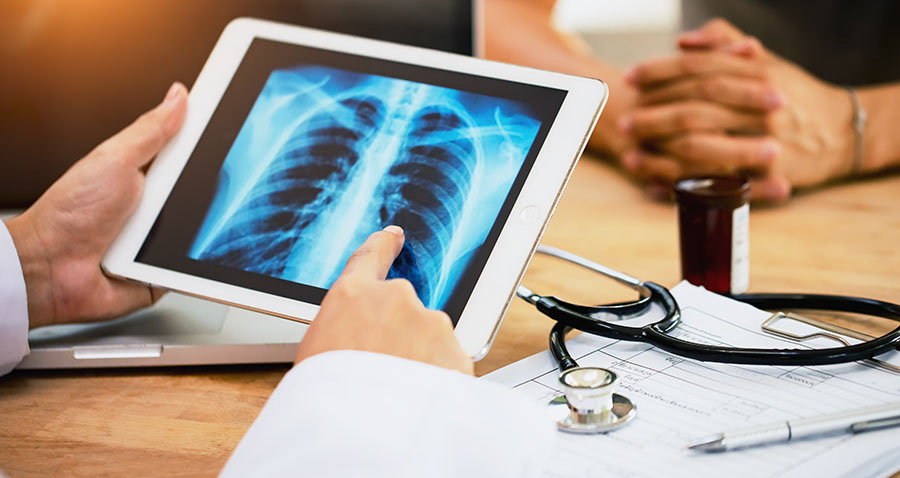
Our Lady of the Lake offers a lung cancer screening program for eligible patients with a significant smoking history. Through annual low-dose CT scans, physicians can identify suspicious findings and determine whether additional monitoring or testing is needed.
These screenings can reveal small abnormalities before symptoms develop.
Lung Cancer Can Affect Nonsmokers, Too
While smoking remains the leading risk factor for lung cancer, people who have never smoked can also develop the disease.
For these patients, lung abnormalities may appear during imaging performed for unrelated medical concerns. For example, a CT scan following a car accident might reveal a small lung nodule that otherwise would have gone unnoticed.
Our Lady of the Lake’s incidental lung nodule program helps identify and monitor patients who may need further evaluation.
Turning Unexpected Findings Into Opportunities
The program uses specialized software to review imaging scans and flag patients with potentially concerning lung nodules. A dedicated team evaluates those findings and coordinates follow-up.
“The goal is to use every opportunity, every touchpoint that they have with a health system, to identify any issues that they may have,” Dr. Moosa says.
This approach helps ensure important findings receive appropriate attention, even when patients originally sought care for something unrelated.
A Team Approach to Every Nodule
When a lung nodule larger than six millimeters is identified, it is presented at a weekly multidisciplinary conference.
Specialists from pulmonology, thoracic surgery, oncology, radiology and radiation oncology review findings and recommend next steps, which may include additional imaging, monitoring or a biopsy.
“Our focus is on an expeditious workup of every patient, which is why our nodule conference is every week,” Dr. Moosa explains.
A dedicated nurse practitioner coordinates follow-up and helps patients understand their options. Importantly, approximately half of the suspicious lesions biopsied by his team are found to be noncancerous.
Connecting Patients to Treatment Faster
At Our Lady of the Lake, pulmonologists and thoracic surgeons work closely together, coordinating care from initial evaluation through treatment and follow-up.
This collaboration helps patients move efficiently through diagnostic testing, cancer staging and treatment while building relationships with a familiar care team.
Advanced technology, including robotic bronchoscopy and robotic surgery, also provides patients in Baton Rouge access to sophisticated lung cancer care.
“We have a strong team, and everyone on our team is motivated to provide the patients with the best care,” Dr. Moosa says.
Taking the Next Step for Lung Health
Early detection offers patients a better chance at successful lung cancer treatment. Whether through routine screening or an unexpected finding on a CT scan, every opportunity to identify cancer sooner matters.
If you have a history of smoking, concerns about lung cancer or a previously identified lung nodule, talk with your healthcare provider about whether screening or additional evaluation is appropriate.