Most people don’t think much about their health until something goes wrong.
A lingering cough. A nagging pain. An unusual symptom. That’s often when the search begins: same-day care, urgent care near me, heart health, weight loss medications, anxiety symptoms.
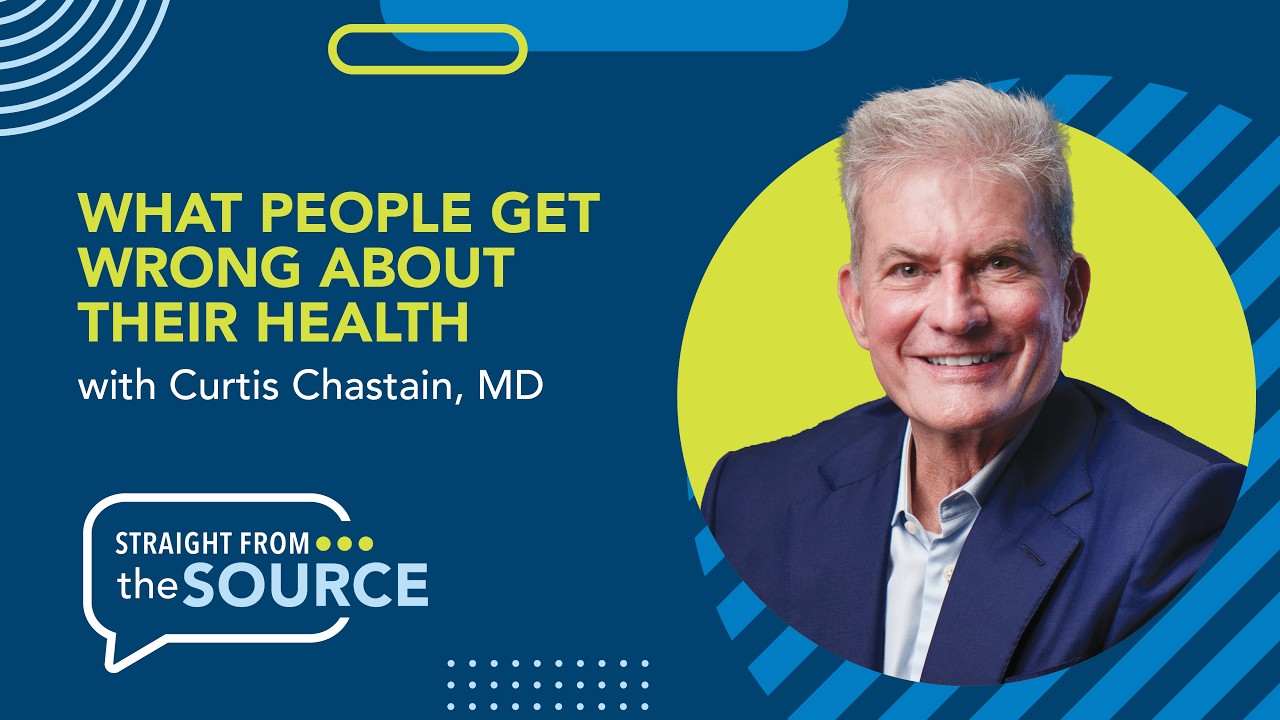
But according to Curtis Chastain, MD, internal medicine physician and medical director of the Lake Men’s Health & Executive Wellness Clinic, waiting until something feels wrong may be one of the biggest mistakes people make.
On Straight from the Source, Dr. Chastain shares a simple message, “Just because you look healthy and just because you feel healthy does not mean you’re necessarily healthy.”
We Maintain Our Cars Better Than We Maintain Our Bodies
To explain preventive care, Dr. Chastain often uses an analogy everyone can understand.
When we buy a vehicle, we follow a maintenance schedule. We change the oil, replace filters and perform routine inspections because we want the vehicle to last.
“The human body is a million times more complex than your vehicle,” he says. “Yet we often wait until it breaks before we do anything about it.”
The problem with that approach is that many serious health conditions develop silently for years before symptoms appear. High blood pressure, elevated cholesterol, diabetes and even heart disease can progress without obvious warning signs.
That’s why routine primary care visits and preventive screenings remain so important, even for people who feel healthy.
The Biggest Health Myth? Looking Healthy
One of the most memorable stories Dr. Chastain shares involved a patient who appeared to be the picture of health.
The man was in exceptional physical condition, exercised regularly and maintained a very low body fat percentage. By most people’s standards, he was doing everything right.
But because of a family history of heart disease, Dr. Chastain recommended additional screening.
The results were surprising.
Despite his outward appearance and active lifestyle, testing revealed significant blockages in his heart.
The lesson?
You can’t always see what’s happening inside your body.
“People look in the mirror and think they’re okay,” Dr. Chastain says. “That’s a myth.”
While healthy habits are critical, they don’t replace screenings, preventive care and an ongoing relationship with a healthcare provider who understands your personal health history and risk factors.
Primary Care Still Matters in an On-Demand World
Today’s patients have more healthcare options than ever before.
Same-day appointments, urgent care centers, virtual visits and online scheduling have made healthcare more convenient and accessible.
Dr. Chastain says those resources play an important role.
But convenience shouldn’t replace continuity.
Urgent care is excellent for many immediate needs. Virtual care can help patients quickly address common concerns. However, neither replaces the value of a provider who follows your health over time and can identify subtle changes before they become major problems.
“It’s so important that you have a relationship with a primary care provider,” he says.
A primary care provider helps coordinate care, track trends, monitor risk factors and guide patients through an increasingly complex healthcare system.
What About GLP-1 Medications?
Weight loss medications, including GLP-1 therapies, continue to be one of the most searched health topics today.
Dr. Chastain says these medications can be powerful tools, particularly for patients struggling with obesity, metabolic disease or diabetes risk.
“They work,” he says. “They’re a great tool.”
But he cautions against viewing them as a standalone solution.
Like any tool, they work best when paired with sustainable lifestyle changes. Without long-term habits related to nutrition, movement and overall wellness, many patients regain weight after stopping the medication.
His advice is simple: use the tool, but also learn the skills needed to maintain results for the long haul.
The Hidden Impact of Stress and Sleep
Another trend Dr. Chastain sees every day is the growing impact of stress, anxiety and information overload.
Patients today are exposed to more information, more comparisons and more judgment than ever before.
The result? Many people struggle to turn their brains off.
In his practice, Dr. Chastain sees sleep as one of the most overlooked factors affecting overall health.
“I believe sleep disorders are one of the biggest epidemics we’re facing today,” he says.
Poor sleep can contribute to problems with focus, mood, energy, blood pressure, weight management and overall well-being.
His recommendation isn’t complicated: prioritize sleep, create periods of rest throughout the day and make time to step away from constant stimulation.
One of the Best Things You Can Do for Your Health Is Free
When asked about the most underrated health habit, Dr. Chastain didn’t mention a supplement, a gadget or an expensive fitness program.
His answer was simple: Walk.
A daily walk can improve cardiovascular health, reduce stress, support mental well-being and create an opportunity to disconnect from screens and reconnect with yourself.
His advice?
Put on a comfortable pair of shoes, walk for 20 minutes in any direction, then turn around and come home.
That’s it.
The Key Message
Healthcare is changing. Patients have more information and more options than ever before.
But some fundamentals haven’t changed. Exercise matters. Sleep matters. Preventive screenings matter.
And perhaps most importantly, having a trusted healthcare provider who knows you and your health history matters.
As Dr. Chastain says, “Don’t take your health for granted. You don’t take your car for granted. Don’t take your body for granted.”