
If you were diagnosed with PCOS, now called PMOS, during your reproductive years, you may wonder what happens to it after menopause. The short answer: It doesn’t simply disappear when your periods do.
Some symptoms ease with age. Others, especially those tied to metabolism and heart health, stick around and deserve continued attention.
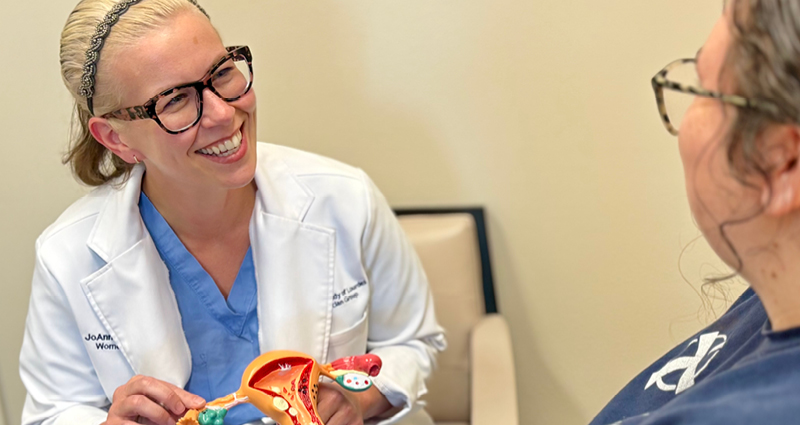
JoAnn LeBlanc, NP, with FMOL Health | Our Lady of Lourdes Physician Group Women’s Wellness & Gynecology, shares what women should know about PMOS in the years after menopause.
PMOS Doesn’t Retire at Menopause
PMOS is a lifelong condition, not a diagnosis limited to your childbearing years. Menopause changes how it shows up, but it doesn’t erase it. Care doesn’t end at menopause. It shifts.
“At that point, it’s more about lifestyle and cardiovascular risk reduction,” JoAnn says.
What Tends to Ease
The good news is that some of the most frustrating symptoms often settle down. Cycles may become more regular in the years before menopause, and then periods stop altogether. The ovaries naturally shrink with age, so the polycystic appearance on ultrasound usually fades, too.
Androgens, sometimes called male-type hormones, also drift downward, starting as early as your 30s. They may stay a bit higher than in women without PMOS, but overall levels come down over time.
What Tends to Stay
The metabolic side of PMOS often continues. Insulin resistance, higher blood sugar, higher triglycerides and lower “good” HDL cholesterol can persist, keeping the risk of type 2 diabetes elevated. Higher blood pressure and an increased risk of heart disease and stroke can linger, too.
There’s encouraging news here as well. Much of that added risk is linked to excess weight, and when weight is well managed, many of these differences shrink considerably.
Why Perimenopause Raises the Stakes
The menopausal transition puts its own strain on your metabolism and heart. As estrogen falls, the body tends to store more fat around the middle, insulin resistance can worsen, cholesterol can shift and blood pressure can rise.
Because these changes overlap with the effects of PMOS, the two can compound each other. That makes this season an especially important time to stay on top of your health.
Don’t Write Off New Symptoms
After menopause, a PMOS diagnosis relies on your history from earlier in life. So, if new unwanted hair growth, hair thinning or other signs of high androgens appear or worsen quickly, don’t assume it’s “just PMOS.”
Talk to your provider. Sudden changes can occasionally point to another cause that needs a closer look.
How Treatment Shifts
During your reproductive years, treatment often centered on regulating periods, supporting fertility and calming acne or excess hair. After menopause, the focus turns to protecting your heart and metabolic health for the long run.
Healthy habits remain the foundation. Balanced eating, regular movement and weight management matter most, and there’s no single “PMOS diet” to follow. Consistency is what counts.
Regular screening helps catch problems early. Expect ongoing checks of:
- Blood sugar, including A1C tests for diabetes
- Cholesterol and triglycerides through lipid panels
- Blood pressure
- Weight
When needed, your provider may suggest weight-management medications or, in some cases, bariatric surgery. Treatments for unwanted hair or thinning hair are available, and your care team may also keep an eye on uterine health, mood and sleep.
Caring for Your Health in Every Season
Menopause may quiet the day-to-day symptoms of PMOS, but your heart and metabolic health still deserve care. Partnering with your provider on regular screenings and steady, healthy habits is one of the best gifts you can give your future self. You don’t have to navigate this chapter alone.