You wash a handful of blueberries, toss them in a bowl and hand them to your kid on the way out the door.
It feels harmless, and most of the time it is. But when illnesses like Cyclospora make the news, everyday questions about how to wash your hands and produce suddenly feel a lot more important.
When life gets busy, it’s easy to overlook the simple habits that help keep germs from spreading. Hands touch shared surfaces, food and faces all day long, and a few consistent hygiene habits can help protect you and the people you love. That’s especially worth remembering when illnesses like Cyclospora make the news.
What Cyclospora Is and Why Washing Produce Matters
Every so often, you’ll see a news headline about Cyclospora, a microscopic parasite that can contaminate fresh produce and water. When someone consumes food or water contaminated with Cyclospora, it can cause cyclosporiasis, an intestinal illness that may cause watery diarrhea, stomach cramps, nausea, loss of appetite and prolonged fatigue.
Cyclospora isn’t typically spread directly from person to person. The parasite needs time in the environment to become infectious, so the primary concern is consuming contaminated food or water.
Here’s the reassuring part: You don’t need to stop eating fresh fruits and vegetables. But it’s important to know that washing produce is not a guarantee against Cyclospora. The CDC recommends washing fruits and vegetables thoroughly under running water before eating, cutting or cooking them as part of safe food-handling practices. However, routine washing and sanitizing methods are unlikely to kill Cyclospora.
That means washing produce is still a smart habit, just not one to think of as a foolproof shield against this particular parasite. If health officials identify a specific produce item as part of an outbreak or recall, follow their guidance rather than relying on washing to make it safe.
How to Wash Your Hands the Right Way
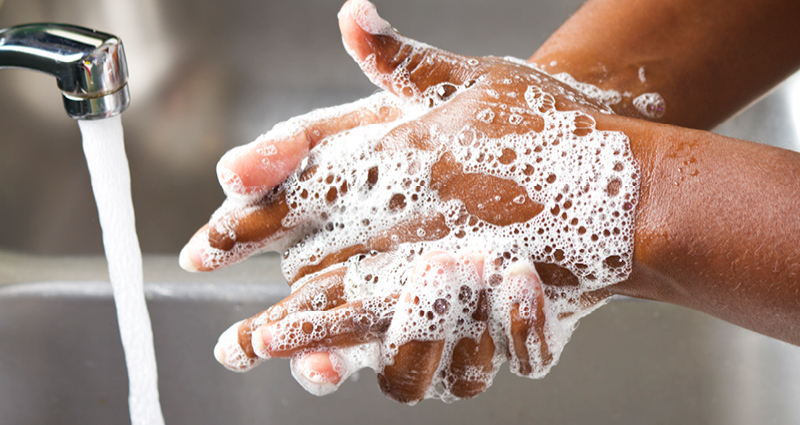
Handwashing is one of the simplest and most effective ways to help prevent the spread of germs.
Follow these five steps:
- Wet your hands with clean, running water. Temperature doesn’t matter much, so use what feels comfortable.
- Lather with soap, covering the backs of your hands, between your fingers and under your nails. These spots hide the most germs.
- Scrub for at least 20 seconds. Humming “Happy Birthday” twice does the trick.
- Rinse well under running water.
- Dry your hands with a clean towel or let them air-dry.
Wash your hands especially before eating or preparing food, after using the restroom, after coughing, sneezing or blowing your nose, after caring for someone who is sick, and whenever your hands are visibly dirty. When a sink isn’t handy, a hand sanitizer with at least 60% alcohol is a good backup.
How to Wash Fruits and Vegetables Properly
Washing produce is a simple food-safety habit that can help remove dirt and some germs from the foods you eat. Keep these tips in mind.
- Wash your hands first. Start with clean hands before handling produce.
- Rinse produce under running water. Wash fruits and vegetables thoroughly before eating, cutting or cooking them. There’s no need to use soap, bleach or commercial produce washes.
- Gently rub produce as you rinse. For firm produce like apples, cucumbers and melons, use your hands or a clean produce brush.
- Rinse leafy greens and herbs under running water. If produce is labeled “prewashed,” you generally don’t need to wash it again at home.
- Wash produce before cutting it. Even if you don’t plan to eat the skin, rinsing first can help prevent dirt and germs on the outside from transferring to the inside when you cut or peel it.
- Dry produce with a clean towel or paper towel.
Simple Habits That Protect Your Whole Family
You don’t need a complicated system to stay healthy. You need a few habits that stick.
- Keep soap stocked at every sink and hand sanitizer in the car, your bag and the kitchen.
- Welcome home, wash your hands. Turn handwashing into a family routine before meals and after coming home.
- Teach kids the 20-second scrub early, so handwashing becomes second nature.
- Clean frequently touched surfaces like doorknobs, phones and countertops regularly.
- Stay home when you feel sick and encourage loved ones to do the same.
None of this asks much of you. Together, these small choices add up to real protection for the people around your table and beyond.
Caring for Your Health, One Habit at a Time
Good hygiene is a gift you give your family and your community every single day. It’s one of the simplest ways to care for the people around you, no matter what’s going around or who you’ve crossed paths with lately.