
The first-day jitters have faded. Lunchboxes are packed on autopilot, backpacks have their usual landing spots and your kids have settled into the rhythm of the school year.
This is the sweet spot, and it’s also the moment healthy habits matter most. Colds start making the rounds, schedules get busy and the routines you set now can carry your family all the way to next summer.
The good news? Keeping your kids healthy doesn’t require a complicated plan. It comes down to a handful of simple, everyday choices that add up over time. Here’s how to help your children stay well, stay focused, and keep showing up for the school days they don’t want to miss.
Start With Clean Hands
Our hands are the number one way germs spread. Kids touch everything, then rub their eyes, chew a pencil or grab a snack. That’s how a classroom cold turns into a household cold.
Good handwashing is one of the easiest ways to break that chain. Teach your kids to:
- Wet their hands with running water, then add soap. Warm or cold water works equally well, so what matters most is using soap and scrubbing.
- Lather up and scrub for at least 20 seconds. A fun trick: sing “Happy Birthday” twice from start to finish. Remind them to reach the backs of their hands, between their fingers, and under their nails.
- Rinse well and dry with a clean towel or let their hands air dry.
When soap and water aren’t handy, a hand sanitizer with at least 60% alcohol is the next best thing. Tuck a small bottle in a backpack so your child always has a backup.
Fuel Their Bodies and Brains
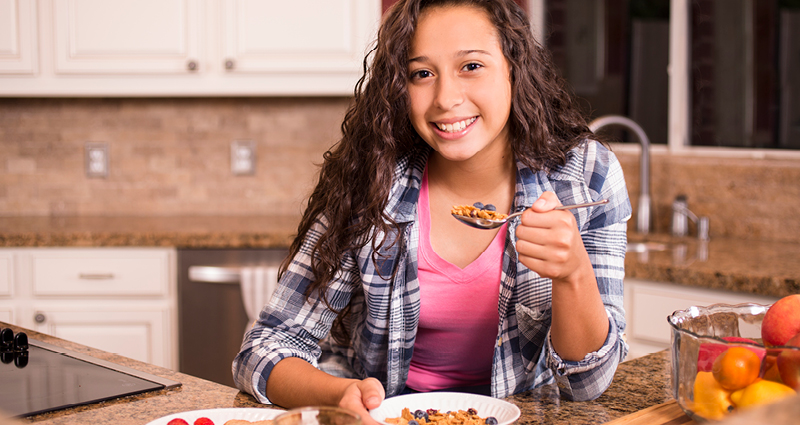
Kids spend much of the day at school, and a big share of their daily calories go with them. What they eat and drink shapes their energy, mood and ability to focus in class.
You don’t have to overhaul the whole pantry. Small, steady choices make the biggest difference:
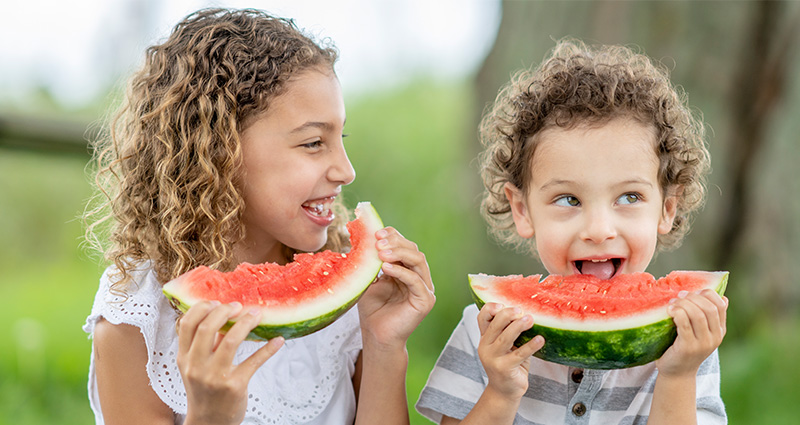
- Aim for fruits and vegetables at every meal, working toward at least five servings a day.
- Keep easy, healthy snacks ready to grab, such as low-fat yogurt, whole-grain crackers with cheese, or peanut butter and celery.
- Offer lean proteins like fish, eggs, beans, and nuts, and choose whole-grain breads and cereals for extra fiber.
- Serve water and low-fat milk instead of soda and sugary drinks. Most kids don’t drink enough water, so keep a refillable bottle within reach.
And here’s the part that takes the pressure off: there are no “good” or “bad” foods. A treat now and then is part of a happy, balanced life. When you make favorite snacks “once-in-a-while” foods rather than forbidden ones, kids learn to enjoy them without feeling deprived.
Keep an Eye on Mental Health
Physical health gets a lot of attention this time of year, but emotional health deserves just as much care. The school year brings real pressure, from new routines and academic expectations to friendships and social stress.
Nearly one in five children ages 3 to 17 lives with a mental, emotional or behavioral concern, so checking in matters more than you might think.
You know your child best. Sometimes the clearest signs that something’s off aren’t words but changes in behavior: pulling away from friends, a smaller appetite at dinner, trouble sleeping or slipping grades. Trust your instincts when something feels different.
A few ways to stay connected:
- Make it normal to talk about feelings. Ask open questions and listen without rushing to fix everything. Sometimes kids just need to feel heard.
- Watch for changes in mood, sleep, appetite or interest in activities they usually love.
Know when to reach out for help. If you notice persistent sadness, anxiety, withdrawal or any mention of self-harm, talk with your pediatrician, a school counselor or a behavioral health professional. Starting the conversation is a sign of strength, not overreacting.
Set Healthy Screen Habits
Phones, tablets, and laptops are woven into schoolwork and social life, so balance is the goal rather than a total ban. Too much screen time, especially late at night, can chip away at sleep, focus and mood.
Clear, consistent expectations work best. Try these small shifts:
- Talk as a family about when and where devices can be used, especially during homework, meals, and bedtime.
- Keep phones and tablets out of the bedroom overnight when you can. Charging them somewhere else supports better sleep and fewer late-night distractions.
- Balance screens with the good stuff, like reading, hobbies, time with friends and getting outside.
Keep the door open on online safety. Talk about privacy, kindness online and coming to you when something doesn’t feel right.
Get Moving Together
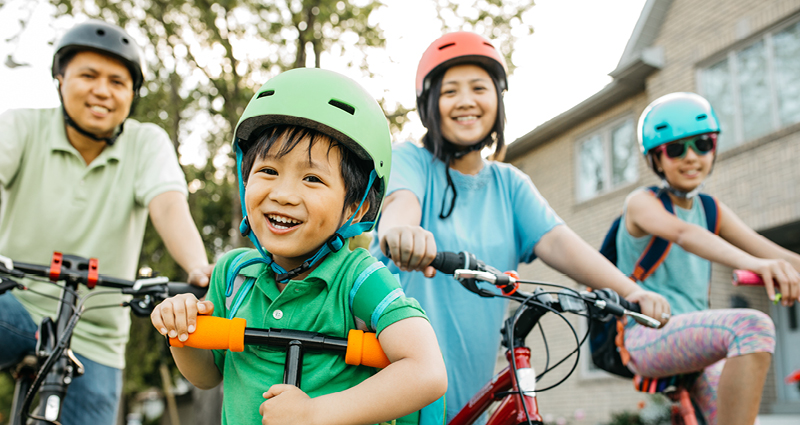
Kids need at least 60 minutes of moderate to vigorous activity most days. That movement supports healthy growth, sharper focus, better sleep and a brighter mood, all things that help them thrive in the classroom.
Activity doesn’t have to mean organized sports. A bike ride after homework, a family walk after dinner or a dance party in the kitchen all count. When your kids see you making movement part of everyday life, they’re far more likely to make it part of theirs. And if they’re active outdoors while it’s still warm, remind them to drink water before, during and after, not just when they feel thirsty.
We’re With You All Year
Keeping your kids healthy this semester isn’t about getting everything perfect. It’s about showing up, day after day, with small choices that add up to strong, happy, resilient children.