A text pings on your phone: “Your MyChart account is locked. Verify your login now.”
Your heart races. You care about your health, so you tap the link. Just like that, a scammer has what they wanted.
Across our communities, criminals are getting bolder, using the trust you place in your care team to trick you into handing over money, passwords and personal details.
The good news? A little awareness goes a long way. When you know what to look for, you can protect yourself and the people you love.
At FMOL Health, your safety matters to us far beyond the walls of our hospitals and clinics. That’s why we’ve pulled together the most common scams aimed at patients and community members right now, along with simple steps to keep you a step ahead.
Spoofing Scams: When the Caller ID Lies
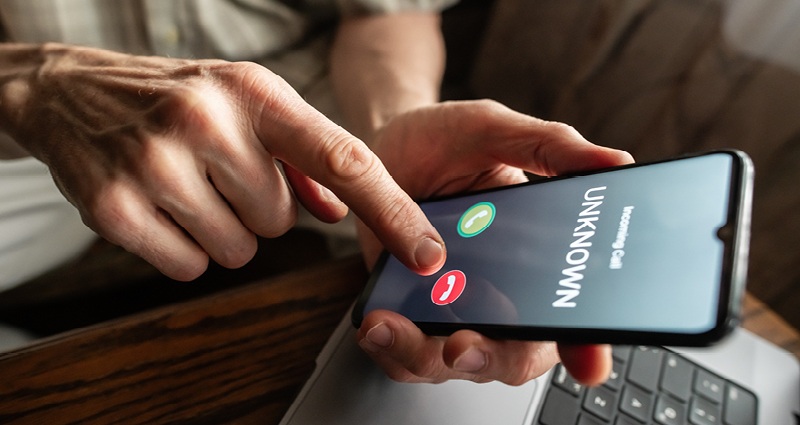
Scammers can fake, or “spoof,” a phone number or email address so it looks like it’s coming from a hospital, doctor’s office or insurance company. The caller ID might even show a name you recognize. They count on that familiarity to lower your guard.
How to protect yourself
- Don’t trust caller ID alone. If a call feels off, hang up.
- Never share passwords, Social Security numbers or payment details over an unexpected call.
- Call the organization back using a number you find on their official website or your billing statement, not the number that called you.
MyChart Phishing: Fake Login Alerts
One of the newest tricks involves fraudulent texts and emails that mimic MyChart. They may warn that your account is locked, that you have a new test result waiting or that you need to “verify” your login. The link leads to a fake page built to steal your username and password.
How to protect yourself
- Never log in through a link sent by text or email. Open your MyChart app or type the official web address into your browser yourself.
- Watch for spelling errors, odd sender addresses and pressure to act “immediately.”
- If you’re unsure whether a message is real, contact your care team directly.
Medicare and Insurance Fraud Calls
Callers may claim to be from Medicare or your insurance company, offering a new card, a free medical device or a refund. In reality, they’re fishing for your Medicare number, which is as valuable to thieves as your Social Security number.
How to protect yourself
- Medicare will not call you out of the blue to ask for your number or payment.
- Guard your Medicare number like a credit card.
- Be wary of anyone offering “free” equipment or services in exchange for your information.
Fake Billing and Collections Scams
Some scammers send phony bills or aggressive “collections” calls demanding immediate payment for care you may never have received. They often insist on unusual payment methods like gift cards, wire transfers or cryptocurrency.
How to protect yourself
- Legitimate providers won’t demand gift cards or wire transfers.
- Review every bill carefully and compare it to your records.
- Question anyone who pressures you to pay right now, no questions asked.
Social Media Impersonation Scams
Criminals create fake profiles posing as hospitals, health systems or even individual providers. They may advertise miracle treatments, run bogus giveaways or send private messages asking for personal details or donations.
How to protect yourself
- Look for verified accounts and double-check the exact spelling of page names.
- Don’t share personal or financial information through social media messages.
- Report suspicious profiles to the platform.
AI Voice and Deepfake Phone Scams
This newer threat is especially unsettling. Using artificial intelligence, scammers can clone a voice from just a few seconds of audio. You might get a call that sounds exactly like a loved one, claiming to be hurt, in trouble or in urgent need of money.
How to protect yourself
- Pause. Scammers rely on panic, so take a breath before you act.
- Hang up and call the person back on their known number.
- Agree on a family “safe word” you can ask for to confirm someone’s identity.
Trust Your Instincts and Take a Beat
Nearly every scam shares the same DNA: urgency, secrecy and a request for money or personal information. If a message pushes you to act fast, keep something quiet or hand over sensitive details, treat it as a red flag. It’s always OK to slow down, hang up and verify.
You can learn more about spotting and stopping these threats from the Cybersecurity and Infrastructure Security Agency and the Consumer Financial Protection Bureau. You can report scams and get recovery help from the Federal Trade Commission. Reporting a scam, even one you didn’t fall for, helps protect your neighbors too.
We’re Here to Help
You don’t have to navigate this alone. If you ever receive a suspicious message, call or email that claims to be from us, reach out directly so we can help you confirm what’s real. Protecting your health includes protecting your information, and we’re honored to walk alongside you every step of the way.