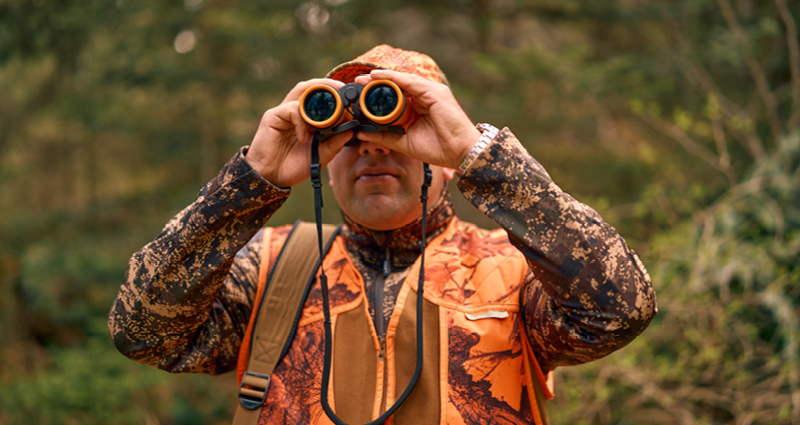
For many families across Louisiana and Mississippi, hunting season is more than a hobby. It’s tradition.
It’s early mornings with your kids, quiet hours in the woods and stories passed down for generations. We want every one of those seasons to end the way it began: with everyone home safe.
Hunting season also brings a predictable rise in preventable injuries. Emergency departments across our communities see the same patterns every year: falls from tree stands, weather-related illness and firearm accidents. The good news? Most of these injuries can be avoided with a little preparation and a lot of care.
Tree Stand Falls: The Danger Hunters Overlook
Ask most hunters what worries them, and few will say the tree stand. Yet falls from elevated stands rank among the most common and most serious hunting injuries. Wildlife and safety agencies across the region consistently flag tree stand falls as one of their most pressing safety concerns, and for good reason.
Most severe falls don’t happen while you’re settled and waiting. They happen in the moments you least expect, climbing in or climbing out. A loose strap, a worn buckle or a single rushed step can turn a routine morning into a life-changing injury.
Here’s how to protect yourself every time you climb:
- Inspect your stand before every use. Check bolts, straps, cables and platforms for wear, rust or damage. Equipment that sat out all summer deserves a close look.
- Secure all straps and connections. Don’t assume last season’s setup is still solid. Confirm it.
- Wear a full-body harness, every single time. Not just on tall stands. Not just when it’s convenient. Every climb, every time. A harness can only save you if you’re wearing it.
- Stay connected as you move. Use a lifeline system so you’re tethered from the ground up and back down again, not just once you’re seated.
- Never rush the climb. Three points of contact. Slow and deliberate. The hunt can wait.
Weather and the Elements: Respect What You Can’t Control
Long hours outdoors expose your body to conditions that shift quickly. A crisp morning can give way to a humid afternoon, and cold snaps can arrive faster than the forecast promised. Both extremes carry real risk.
Watch for these common threats:
- Hypothermia. Cold, wet and windy conditions can lower your body temperature dangerously, even when it isn’t freezing. Shivering, confusion and fatigue are early warning signs.
- Dehydration. It’s easy to forget water when you’re focused and still. Bring more than you think you need, and sip regularly.
- Heat illness. Warmer hunts and heavy gear can lead to overheating. Know the signs: dizziness, nausea and heavy sweating, and rest in the shade when they appear.
A few simple habits go a long way. Dress in layers you can add or shed as conditions change. Keep an eye on the weather before and during your hunt. Watch your footing on uneven, unfamiliar terrain, especially in low light. And pace yourself. Overexertion in remote areas is a risk all its own.
First Aid and Emergency Preparedness: Be Ready Before You Need It
When you’re deep in the woods, help may be miles and minutes away. That distance is exactly why preparation matters so much. A little planning today can make all the difference on the day something goes wrong.
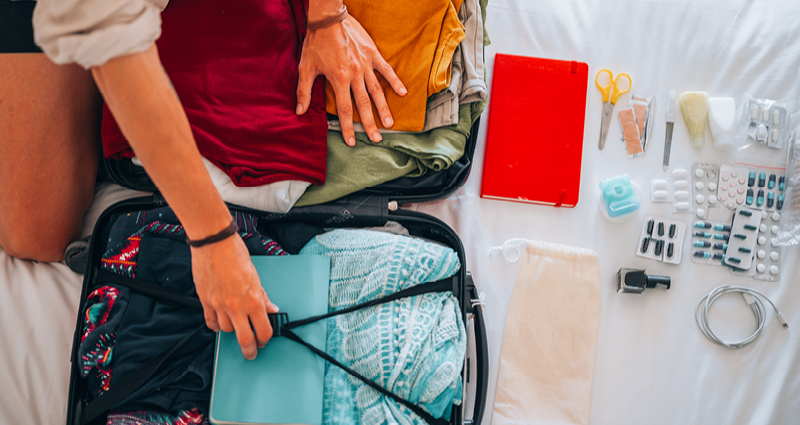
Pack a basic kit and keep it within reach, not buried in the truck:
- Supplies to stop bleeding, including gauze, pressure bandages and a tourniquet you know how to use
- Antiseptic wipes and adhesive bandages for smaller cuts and scrapes
- Any personal medications you may need throughout the day
- A whistle, flashlight and fully charged phone or radio
- A small emergency blanket for warmth
Know the basics before you head out. Learn how to control bleeding and stabilize an injury until help arrives. Just as important, have a communication plan. Tell someone where you’ll be and when you expect to return.
Some situations can’t wait. Seek emergency care right away for serious falls, head injuries, chest pain, heavy bleeding, or any injury you can’t manage safely on your own. When in doubt, don’t tough it out. Getting help early often makes recovery easier and faster.
Firearm Safety: The Basics That Matter Most
Every hunting trip carries the responsibility of safe firearm handling. A few core habits, practiced consistently, protect you and everyone around you in the field.
Always treat every firearm as if it’s loaded. Keep the muzzle pointed in a safe direction. Use your safety mechanisms, and store and transport your firearm properly.
Hunting regulations, including rules around firearms, vary by state and location, so check the current guidelines for where you’ll be hunting before you head out. Violations can bring fines and the loss of your hunting privileges.
Hunting With a Chronic Condition: Extra Care, Same Joy
A heart condition, diabetes or limited mobility shouldn’t mean giving up something you love. It simply means planning ahead a little more carefully, so you can keep doing what brings you joy for years to come.
If you manage a chronic condition, keep these steps in mind:
- Talk with your provider first. Before strenuous outdoor activity, ask your healthcare provider what’s safe for you and what to watch for.
- Bring your medications and supplies. Pack more than a single day’s worth in case your trip runs long or plans change.
- Plan for your body’s needs. If you live with diabetes, bring snacks and monitor your levels. If mobility is a challenge, choose terrain and stands that match your comfort and strength.
- Hunt with a partner when you can. A trusted companion makes every outing safer and more enjoyable.
Your health and your traditions can coexist. It just takes a thoughtful plan and a team that supports you.
Preparation is its own kind of care, for yourself, for the people hunting beside you and for the loved ones waiting back home.